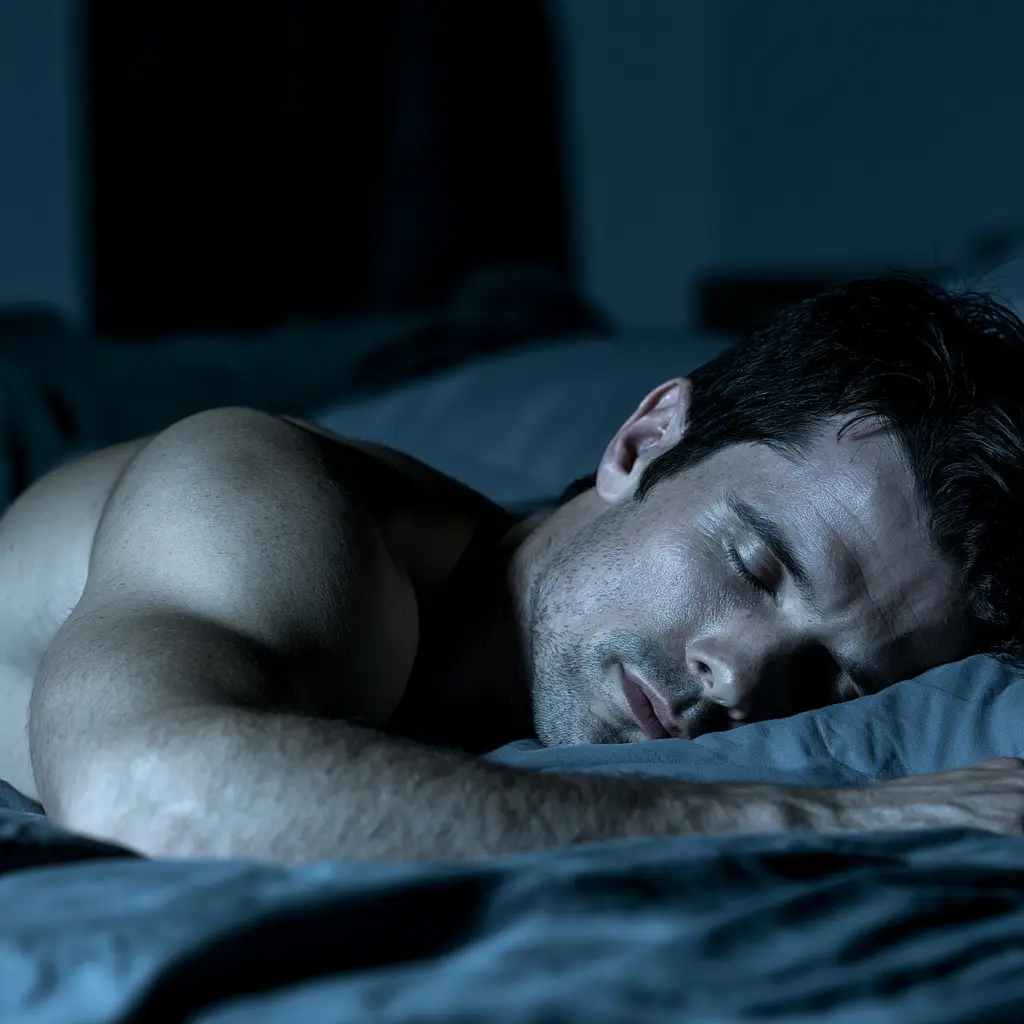
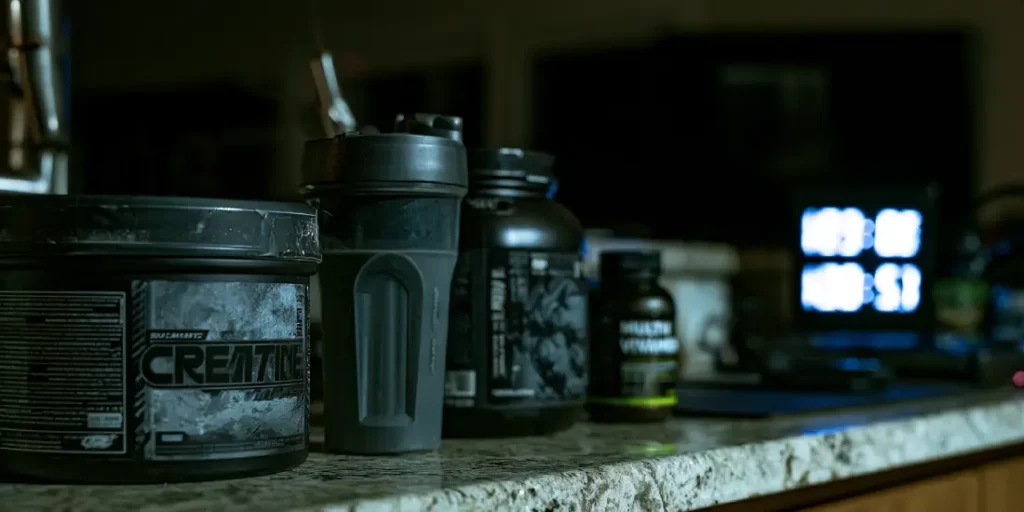
You've got the program dialed in. The protein's tracked. Maybe there's a tub of creatine, a jar of BCAAs, and a multivitamin lined up on the counter because someone told you it helps. And you're still not growing the way the work should justify.
Here's what nobody tells you about sleep and muscle growth: the workout isn't what builds the muscle. The workout makes the request. Sleep is where that request gets approved — or denied.
Most men treat sleep as the leftover hour after everything else gets done. Training is scheduled. Meals are planned. Sleep just... happens, whenever the day finally lets go of you. That order is backwards, and your body has been telling you so for years. You just haven't been listening.
What's Actually Happening While You Sleep
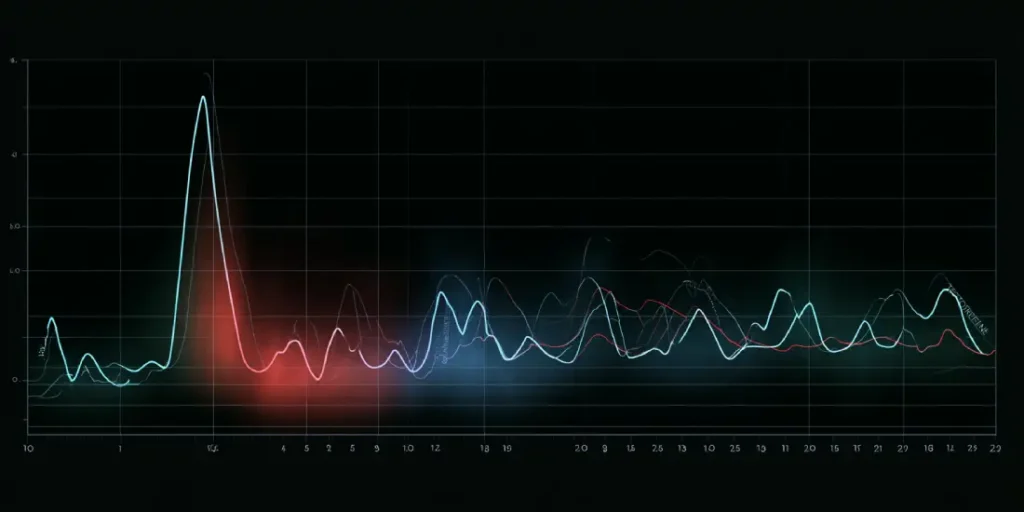
Growth doesn't happen in the gym. The gym creates the damage and the demand. Growth happens in the hours after, and most of that repair work is scheduled for one specific window: deep sleep.
Your biggest pulse of growth hormone for the entire day fires during slow-wave sleep, concentrated in your first sleep cycle of the night. Cut that cycle short — stay up late, wake up early, or just sleep badly — and you don't get a smaller pulse. You risk missing it.
Testosterone follows a similar overnight climb, building through the night and peaking as you wake. This is the part men miss when they ask how much sleep is required for muscle growth: it's not just about total hours. It's about whether you're giving your body enough uninterrupted time to complete the rise before you cut it off.
At the same time, sleep restriction pushes cortisol up. Cortisol is a catabolic signal — it works directly against the anabolic environment your training and your growth hormone pulse just built. You can have a great lifting session and still lose the exchange if you don't sleep enough to protect it.
And your muscle protein synthesis — the actual process of building new muscle tissue from the protein you eat — is elevated during sleep, not just supported by it. The meal you had at dinner is being put to work while you're unconscious.
None of this is happening because your body is being generous. It's happening because this is the window it was built to use.
Why Men Stay Stuck
Here's the pattern I see constantly: a man will change his supplement stack three times before he'll move his bedtime by thirty minutes.
Creatine gets added because it's proven and cheap. A plant-based protein powder gets swapped in because someone said it digests better. BCAAs go in the shaker because the label promises less soreness. Past 50, a testosterone booster gets added to the counter because energy is down and someone online said this would fix it. A daily multivitamin covers whatever's left, just in case.
Every one of those is easier than fixing a bedtime. None of them creates the hormonal window sleep creates. At best, they support a window that's already open. If the window's closed — if you're running on six hours a night — you're optimizing the inputs to a process that isn't getting the time it needs to run.
That's the trap. It feels like progress because you're doing something. But you're managing the symptoms of under-recovery while leaving the actual cause untouched.
How Much Sleep Does Muscle Growth Actually Require?
Six hours has become the default "good enough" number for a lot of men. It isn't.
A University of Chicago study put dieters on an identical calorie deficit and split them into two groups — one sleeping 5.5 hours a night, the other 8.5. Same food. Same deficit. Different sleep. The well-rested group lost significantly more fat and preserved more muscle. The short-sleep group lost less fat and more muscle, at the exact same caloric intake.
That result should stop you. It means the number on the scale can move for the wrong reason, and sleep is the variable deciding which way it moves.
A separate study on young, healthy men found that one week of 5-hour sleep restriction dropped daytime testosterone by 10 to 15 percent — a decline comparable to aging ten to fifteen years, in seven days. Not from illness. Not from age. From sleep alone.
So when the question is how much sleep muscle growth actually requires, the honest answer is: enough to complete a full cycle of deep sleep, undisturbed, most nights — which for most men lands between 7 and 9 hours. Six can survive on. It's not where growth happens best.
Treat Sleep Like a Training Block
You wouldn't skip half your working sets and expect full results. Stop treating sleep like it's optional in the same way.
Protect a fixed window. Pick a bedtime and a wake time you can hold most nights, not just when the schedule allows it. Consistency matters here almost as much as total hours — a body that knows when sleep is coming prepares for it hormonally before you even lie down.
Know what actually wrecks the window. Caffeine late in the day, alcohol before bed, and screens in the hour before sleep all interfere with how deep and how long your slow-wave sleep runs. This isn't about perfection. It's about knowing which habits are quietly taxing the exact window Section 1 just described.
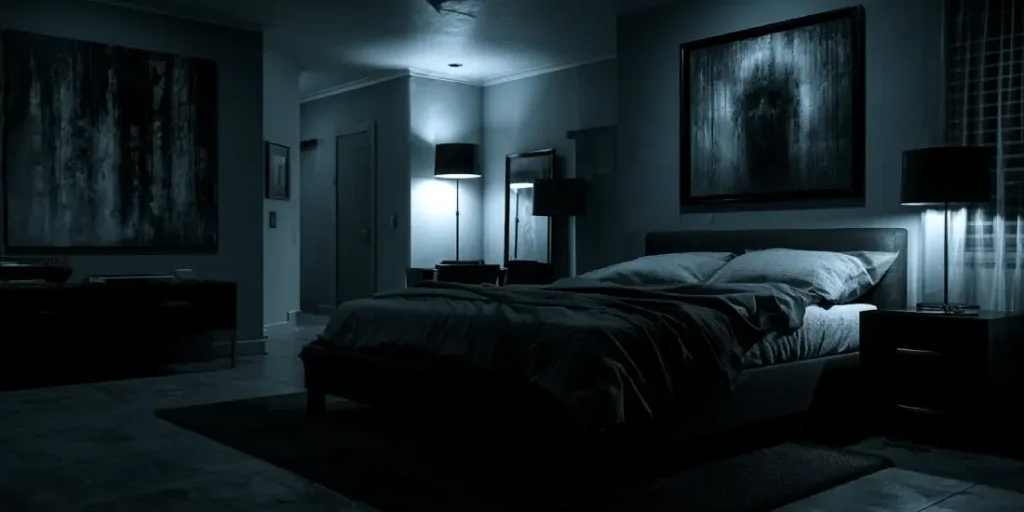
Stop treating everything else as noise. Room temperature, room darkness, and a consistent wind-down matter less than the two things above, but they're the easiest wins available to you tonight.
Apply It
Three moves, starting tonight:
- Set a hard bedtime — not a goal, a standard — and hold it for two weeks before judging the result.
- Cut caffeine after early afternoon. If you're sensitive to it, even later doses can blunt your deep sleep without you noticing.
- Change one thing about your room — darker, cooler, or phone out of reach — and leave the rest alone until that one change is a habit.
Small, repeatable, and none of them require a new supplement.
The Second Half of the Work
Training is the request. Sleep is the approval. Skip the second half and you're left wondering why the first half isn't paying off — buying another product, adjusting another macro, chasing a fix that was never going to reach the actual problem.
Stewardship doesn't stop when you leave the gym. It follows you to bed. If you've been assuming your sleep is "fine" because you feel functional, that's an assumption worth testing rather than trusting.
Find out where it's actually failing you: Take the Sleep Assessment →